Go Back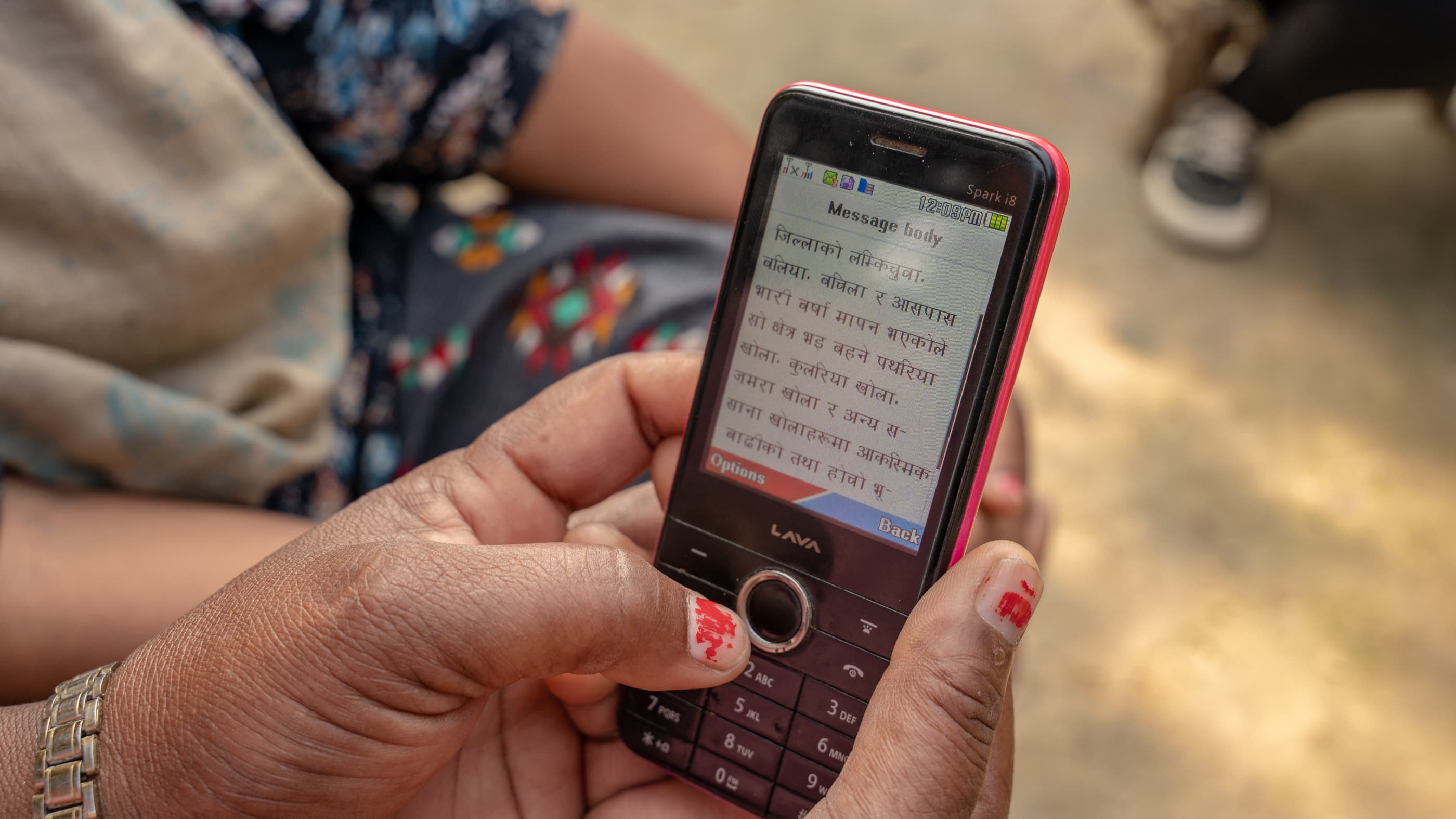
Anticipatory Aid
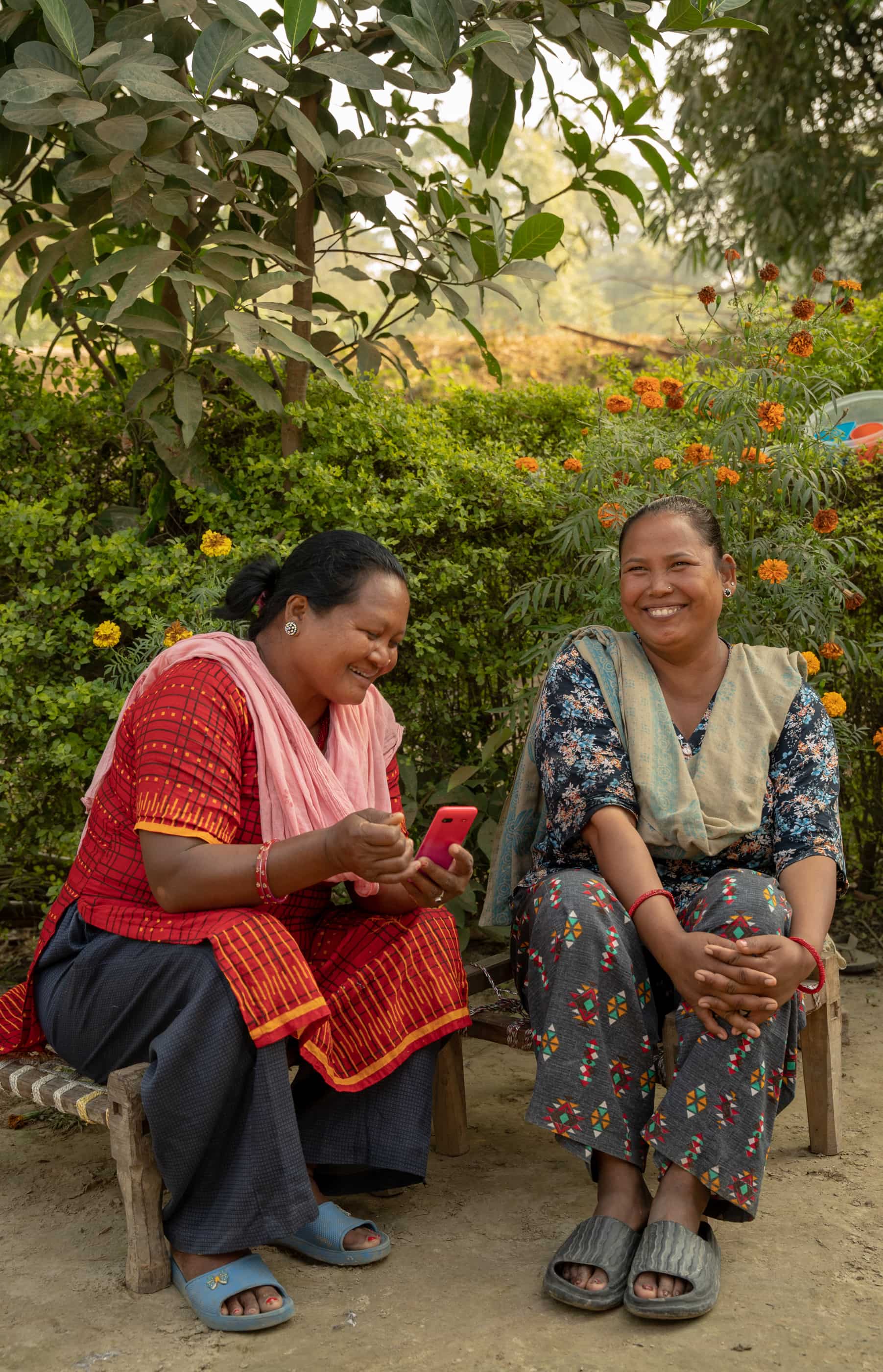
Rahat expanded its CVA platform to support anticipatory action by integrating smart contract-enabled multisignature triggers for automated early warning communications and token transfers. With support from the GSMA Innovation Fund and the UK Foreign, Commonwealth & Development Office, and in collaboration with GSMA and the Danish Red Cross, the initiative reached 33k+ individuals in flood-prone areas of Bardiya and Kailali districts in Nepal. By enhancing the efficiency, effectiveness, and transparency of DRC’s AA efforts, the project ensured more impactful assistance for vulnerable communities.
The Challenges
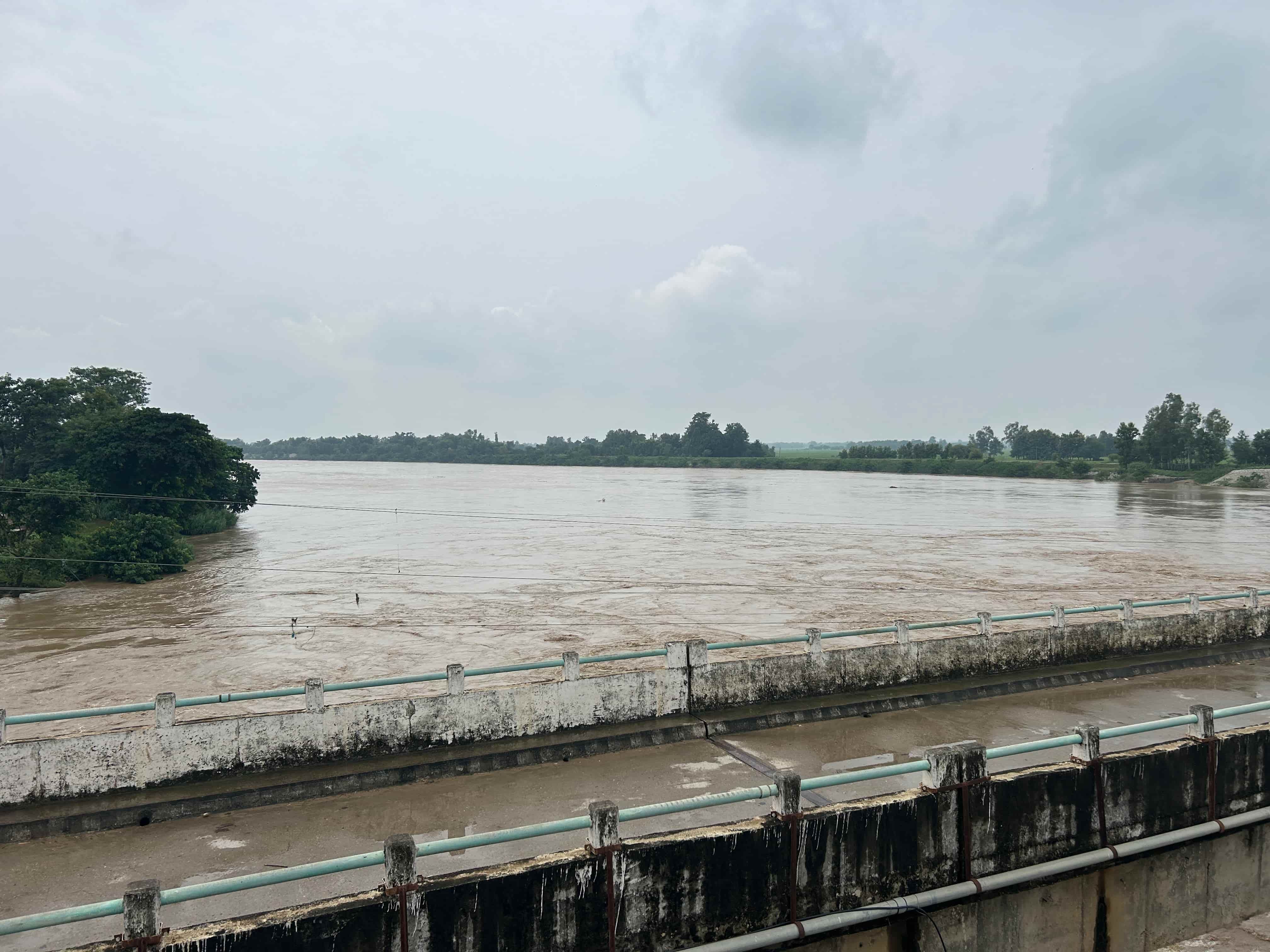
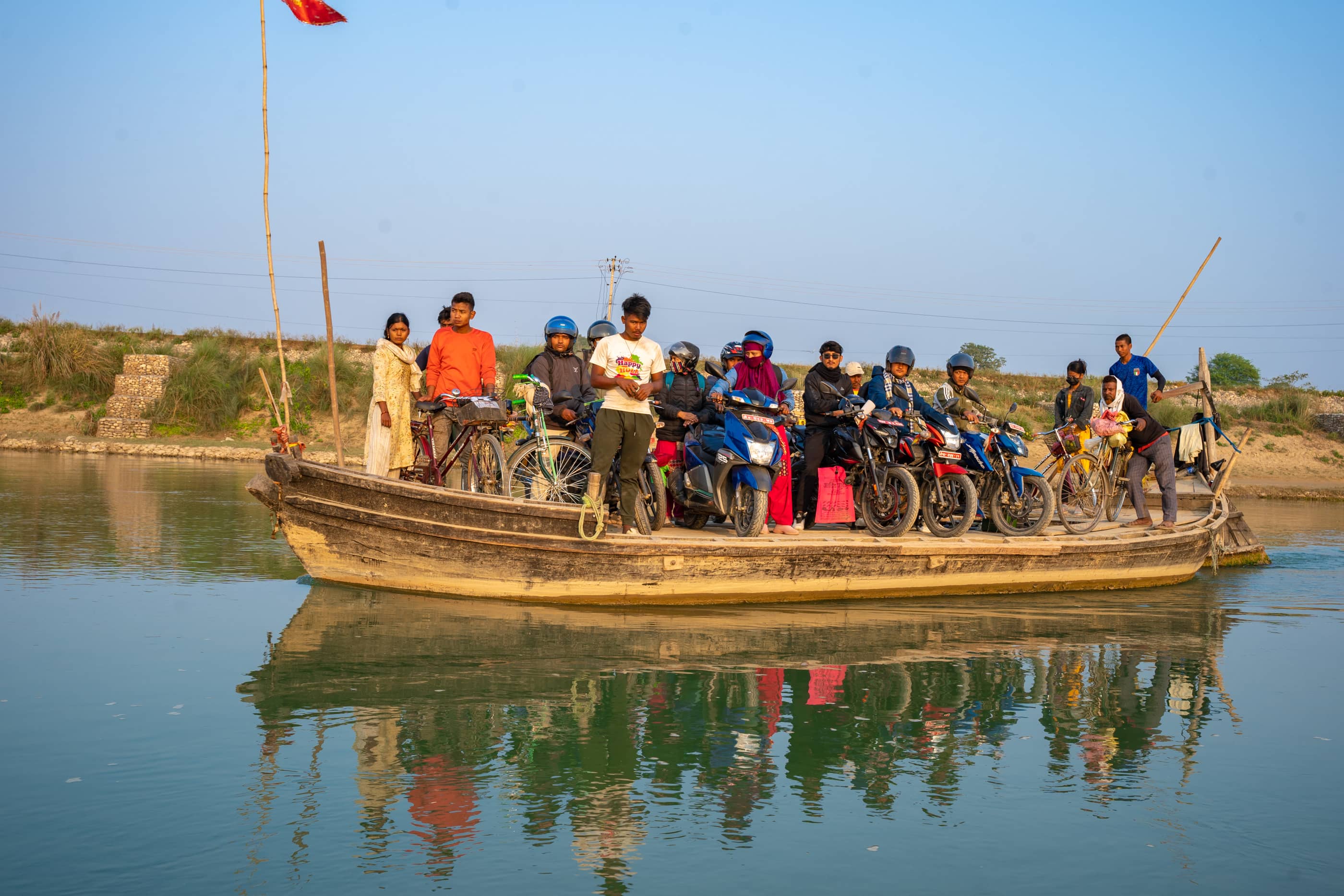
In Nepal, more than 80% of the population are at risk of climate-related disasters. Nepal's Terai region is particularly vulnerable to flooding, with affected communities often experiencing delayed responses and slow recovery mechanisms from humanitarian agencies and government. During times of crisis, traditional aid distribution can encounter logistical and operational challenges, often proving inefficient and costly, with transparency and oversight issues creating additional risks.
The Solutions
The Rahat platform aimed to facilitate the timely dissemination of early warning messages, alongside efficient cash distribution, to affected populations before and during natural disasters in four of the flood-prone municipalities of Nepal’s Terai region.
Technology
- Database: MongoDB
- UI: HTML/CSS/Javascript with react library
- Programming Language: JavaScript
- Server: NodeJS
- Blockchain: Ethereum, Base
About GSMA: The GSMA is a global organization unifying the mobile ecosystem to discover, develop and deliver innovation foundational to positive business environments and societal change. Their vision is to unlock the full power of connectivity so that people, industry, and society thrive. Representing mobile operators and organizations across the mobile ecosystem and adjacent industries, the GSMA delivers for its members across three broad pillars: Connectivity for Good, Industry Services and Solutions, and Outreach. This activity includes advancing policy, tackling today's biggest societal challenges, underpinning the technology and interoperability that make mobile work, and providing the world's largest platform to convene the mobile ecosystem at the MWC and M360 series of events.
About Danish Red Cross: The Danish Red Cross (DRC) has been engaged in Nepal since 1988 and working in partnership with the Nepal Red Cross Society (NRCS) to support major humanitarian crises for more than 30 years channeling efforts into three pivotal domains: strengthening disaster preparedness and response, empowering communities to address the impacts of climate change, and ensuring inclusive access to resources for vulnerable populations, particularly those who are marginalized in society.
About Danish Red Cross: The Danish Red Cross (DRC) has been engaged in Nepal since 1988 and working in partnership with the Nepal Red Cross Society (NRCS) to support major humanitarian crises for more than 30 years channeling efforts into three pivotal domains: strengthening disaster preparedness and response, empowering communities to address the impacts of climate change, and ensuring inclusive access to resources for vulnerable populations, particularly those who are marginalized in society.